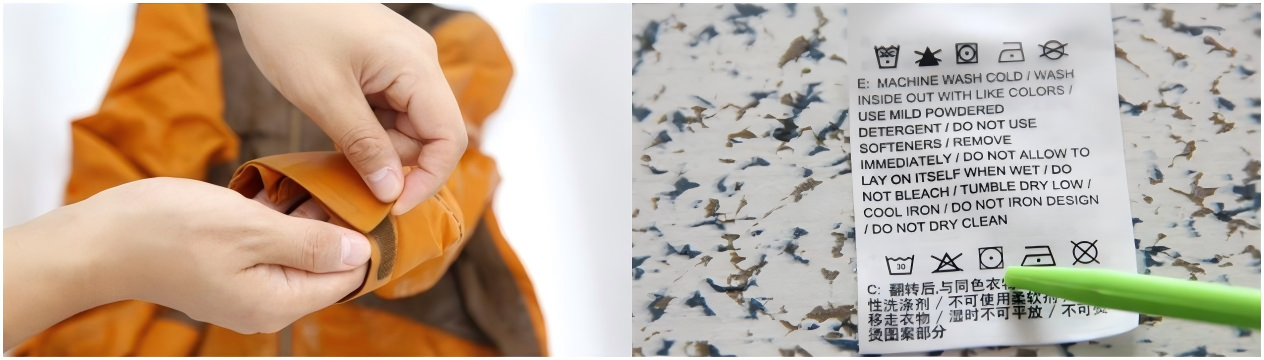
Proper washing and care are key to maintaining the performance and longevity of your hard-shell jacket. Here’s a step-by-step guide:
Washing Frequency
The frequency of washing your hard-shell jacket depends on how often you use it and the conditions it’s exposed to. As a general rule, avoid over-washing, as it can gradually degrade the waterproof coating and fabric. If you wear it occasionally in mild, clean conditions, washing it 2-3 times a season is sufficient. For regular use in harsh environments—such as hiking in muddy trails, exposure to saltwater, or heavy sweating—you may need to wash it every 4-6 weeks. Visible dirt, stains, or a noticeable decrease in water repellency (when water no longer beads on the surface but soaks in) are clear signs that it’s time for a wash.
Washing Steps
- Pre-Wash Prep: Empty all pockets thoroughly, removing items like keys, tissues, or coins that could scratch the fabric or cause damage during washing. Close all zippers completely and fasten any Velcro straps to prevent them from snagging on the jacket’s surface or other parts of the machine. For stubborn stains such as mud, grass, or oil, gently blot the area with a clean, damp cloth—avoid rubbing, as this can push the stain deeper into the fabric. For dried-on stains, you can use a soft-bristled brush to lightly loosen the debris before washing.
- Wash Settings: Select a front-loading washing machine, as its gentle tumbling action is less likely to stress the jacket’s seams and waterproof membrane compared to top-loading machines with central agitators, which can create excessive friction and potentially tear the fabric. Set the machine to a delicate or gentle cycle, which uses slower spin speeds and milder agitation. Use cold water (ideally between 30°C and 40°C) for the wash—hot water can degrade the waterproof coating (DWR) and weaken the adhesive used in the jacket’s construction.
- Detergent Choice: Opt for a detergent specifically formulated for technical outdoor fabrics. These cleaners are designed to remove dirt without stripping away the jacket’s waterproofing or breathability. Read the detergent’s instructions carefully to determine the correct amount—using too much can leave a residue that clogs the fabric’s pores. Never use regular household detergents, as they contain enzymes and fragrances that can break down the DWR coating over time. Fabric softeners and bleach are also strictly off-limits: softeners coat the fabric fibers, reducing breathability, while bleach can discolor the jacket and damage its structural integrity.
- Washing Process: Pour the measured technical detergent into the machine’s detergent compartment. Place the jacket in the drum, ensuring it has enough space to move freely—avoid overloading the machine, as this can prevent proper cleaning and lead to uneven wear. Start the gentle cycle with cold water. Once the wash cycle is complete, run an extra rinse cycle to ensure all detergent residue is removed. Even small amounts of leftover detergent can compromise the jacket’s performance, as they attract dirt and hinder breathability. After the final rinse, remove the jacket promptly to prevent any moisture from settling and causing mildew.
Drying Tips
- Tumble Dry: Before placing the jacket in the dryer, double-check that all zippers are closed and Velcro straps are fastened to prevent them from snagging on the fabric or other items. Set the dryer to the lowest heat setting—usually labeled “air fluff” or “low” (no higher than 60°C). High heat can melt the waterproof membrane, warp zippers, or cause the fabric to shrink, permanently damaging the jacket’s performance. Add 2-3 clean, dry tennis balls or dryer balls to the drum. As the dryer tumbles, these balls help to break up clumps of moisture, promote even drying, and restore the loft of any insulated areas, ensuring the jacket maintains its shape and structure. Run the dryer for 20-30 minutes, then pause to check the jacket’s dryness. If it’s still damp, continue drying in 10-minute increments to avoid overexposure to heat. Once dry, remove the jacket immediately to prevent wrinkles from setting in.
- Air Dry (Alternative): Choose a well-ventilated area with good air circulation, such as a clothesline outdoors (but away from direct sunlight) or a drying rack near an open window. Direct sunlight can fade the jacket’s color and degrade the DWR coating over time, so opt for a shaded spot. Hang the jacket by its shoulders using wide, padded hangers to prevent stretching or creasing at the shoulder seams—narrow hangers may cause unsightly bumps or tears. Ensure the jacket is hung evenly, with the front facing out, to allow air to circulate freely around all parts of the fabric. If the jacket has a hood, prop it open slightly to let air flow inside and speed up drying. Depending on humidity levels, air drying can take 24-48 hours. Avoid placing the jacket near radiators, heaters, or other heat sources, as extreme heat can damage the fabric and coatings. Before storing, confirm that the jacket is completely dry—any remaining moisture can lead to mold or mildew growth, which is difficult to remove and can ruin the fabric.
Daily Care
- Reapply DWR Coating: Over time, the durable water repellent (DWR) coating may wear off. If water no longer beads on the surface, spray on a DWR refresher or wash-in treatment.
- Storage: Hang the jacket on a wide hanger in a cool, dry place. Avoid folding for long periods to prevent creases that can weaken the fabric.
- Spot Cleaning: For small stains, dab with a damp cloth and mild technical cleaner—avoid scrubbing vigorously.
- Avoid Harsh Environments: Keep the jacket away from sharp objects, open flames, and excessive friction to prevent tears or damage to the waterproof membrane.
Additional Care Tips
- Hardware Maintenance: Regularly check zippers, snaps, and Velcro fasteners. For zippers that stick, apply a small amount of silicone-based lubricant (avoid oil-based products) and work the zipper back and forth to distribute it evenly. Clean Velcro straps by gently brushing away lint and debris with a toothbrush to maintain their grip.
- Avoid Contact with Abrasive Surfaces: When wearing or storing the jacket, keep it away from rough surfaces like concrete, brick, or abrasive fabrics. These can scratch the waterproof membrane or wear down the DWR coating over time.
- Periodic Inspection: Every few months, inspect the jacket for signs of damage, such as rips, tears, or loose seams. Small holes or frayed seams can be repaired with a waterproof fabric patch or seam sealant to prevent further damage and maintain performance.
- Handle with Clean Hands: Oils and dirt from your hands can transfer to the jacket, especially on high-touch areas like cuffs and zippers. Try to handle the jacket with clean hands to minimize soiling.
- Avoid Extended Pressure: Don’t stack heavy items on top of a stored jacket, as this can compress the fabric and damage the waterproof layer or insulation (if present).
By following these steps, your hard-shell jacket will stay waterproof, windproof, and ready for your next outdoor adventure.


